
Modern architecture, with all our advanced technologies, can be a wonder to behold. Cantilevered structures seemingly defy gravity as they sit hanging off mountain sides or jutting out, mid-air, over crashing ocean waves. But the wonder quickly fades in the wake of natural disasters. Throw an earthquake into the mix and those structures are left splintered and broken beyond repair, a study in how natural order is always restored in spite of, or perhaps because of, our hubris.
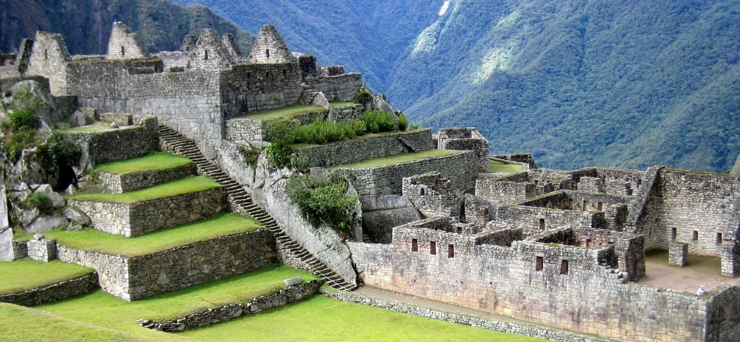
Technology was more simplistic 600 years ago, and yet some cities of the ancient world still stand despite being largely abandoned for centuries. One such example is Machu Picchu, a city that sits on 2 fault lines in Peru, a country where there can be over 400 perceptible earthquakes per year. Without wheels or iron tools, the Incas constructed a city complete with a water delivery system which stands largely intact today.
The ancient Incas didn’t have cranes, bulldozers, or super computers capable of calculating angles and weight distribution in seconds. What they did have was a building technique called ashlar masonry. Unlike masonry of our time, ashlar doesn’t use mortar, but instead the stones are fit together so that when the earth shakes, they can move with it, settling back into their places when the earth quiets. Because the stones are not rigidly connected to one another, the stones only carry their individual weight and not the weight of the entire structure. They’re known as “dancing stones.”
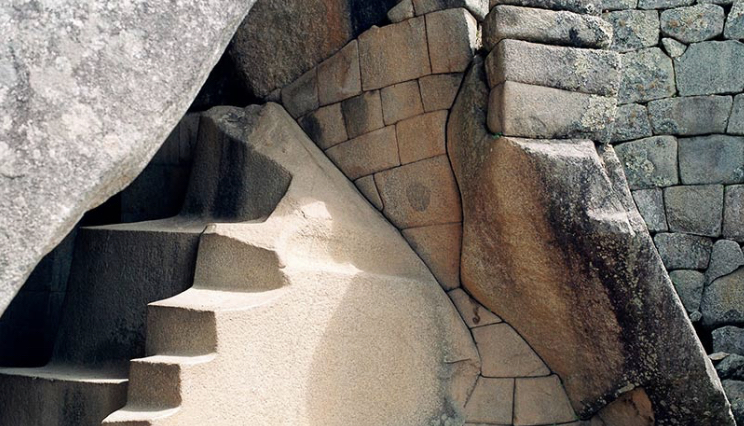
More than just techniques, the Incas also held knowledge about how to live with the natural order of things. Rather than attempting to force nature to bend to their will, they built their structures in harmony with the truth of the earth beneath their feet.
The wisdom of the dancing stones is when we hold onto things too tightly, whether it’s our expectations for how our life is going to go or what we expect others to be or do for us, it makes us rigid- prone to crumbling when our expectations don’t come to true or devastating events quake our very foundations.
But, when we understand the world we live in shakes by it’s very nature- that our expectations are just our wishes, then we can shift instead of topple. The dancing stones are not a lesson in coming away unscathed. The stones rub against each other, chipping and wearing down the edges. No, in this life, we do not come away without pain.
But not all pain is created equal. According to the Buddhist monk, Ajahn Shah, there are two kinds of suffering,
“The suffering we run from because we are unwilling to face the truth of life and the suffering that comes when we’re willing to stop running from the sorrows and difficulties of the world. The second kind of suffering will lead you to freedom.”
The second kind of suffering is the knowledge that none of us leave this life unmarred by the tectonic shifts- deep losses and hurt.
Understanding that pain is a part of life is to embrace the wisdom of the dancing stones.
I think we all long for this kind of endurance in our personal lives, to be able to move in step with the earth beneath us: to shift but not topple.
 Lionheart Grief Coaching
Leave a comment